Buy special-promotion.eu ?
We are moving the project
special-promotion.eu .
Are you interested in purchasing the domain
special-promotion.eu ?
domain@kv-gmbh.de · 0541-91531010
Buy special-promotion.eu ?
Do tomatoes taste chemically?
Tomatoes do not taste chemically. The taste of tomatoes is a result of the natural compounds present in the fruit, such as sugars, acids, and volatile compounds. These compounds contribute to the sweet, tangy, and savory flavor of tomatoes. While tomatoes may be treated with chemicals during cultivation, the taste of the fruit itself is not chemically derived. **
How does tartar form chemically?
Tartar, also known as dental calculus, forms chemically through a process called mineralization. This occurs when plaque, a sticky film of bacteria and food particles, is not removed from the teeth and hardens into tartar. The minerals in saliva, such as calcium and phosphate, combine with the bacteria and food particles in the plaque to form a hard, yellowish deposit on the teeth. Once tartar has formed, it can only be removed by a dental professional using specialized tools. **
Similar search terms for Chemically
Top-Angebote
Products related to Chemically:
-
Nutri Ox Thinning Hair System 30-Day Starter Kit for Colored/Chemically-Treated HairTHICKER, FULLER-LOOKING HAIR IN JUST ONE WEEK* The Nutri-Ox® 3-Step System of Gentle Shampoo, Fortifying Conditioner and Densifying Tonic, formulated for fragile, color-treated, highlighted or permed hair, helps maintain the optimum scalp...30,49 $*Shipping: 0,00 $Secure redirect to the provider
-
GP Batteries GP Special Offer Pack of 12xAA + 12xAAA BatteriesA new special offer pack from GP Batteries includes 12 AA batteries and 12 AAA batteries. The batteries are GP Super alkaline batteries so ideal for a wide range of household and office devices. For a limited period these packs also include a battery operated handheld mini fan. If you are a wholesalers or trader why check out the volume discount prices. A great special offer pack offering customers extra value. The GP special offer battery packs are packed in a CDU containing 8 promo packs and 24 packs per outer carton.    Â7,95 £*Shipping: 2,95 £Secure redirect to the provider
-
rsvp Promo Butter Warmer (Set Of 2) - 1/3-Cup CapacityWe strive to offer quality kitchen products and cooking tools at competitive prices. When all the right people, ingredients, kitchen tools, and food come together, we call this The Art of Gathering.24,95 $*Shipping: 0,00 $Secure redirect to the provider



-
Is it always chemically treated?
No, not all wool is chemically treated. Some wool is processed using environmentally friendly methods that do not involve chemical treatments. However, some wool may undergo chemical treatments to achieve certain properties such as softness, colorfastness, or resistance to shrinking. It is important to check the label or inquire with the manufacturer to determine if the wool has been chemically treated. **
-
Why does glass shatter chemically?
Glass shatters chemically because of the way its molecular structure responds to stress. Glass is an amorphous solid, meaning its molecules are not arranged in a regular pattern like in a crystalline solid. When stress is applied to glass, the disordered molecular structure makes it more susceptible to breaking. Additionally, the presence of microscopic flaws or impurities in the glass can also contribute to its tendency to shatter when subjected to force. **
-
Where can substances be chemically analyzed?
Substances can be chemically analyzed in a variety of settings, including laboratories, research facilities, and industrial plants. These facilities are equipped with specialized instruments and equipment, such as spectrometers, chromatographs, and mass spectrometers, that can be used to identify and quantify the chemical composition of a substance. Additionally, some portable devices are available for on-site chemical analysis in fields such as environmental monitoring, food safety, and forensic investigations. **
-
Why does the ground smell chemically?
The chemical smell in the ground can be due to various factors such as the presence of natural gases like methane or sulfur compounds, industrial pollution, or the release of volatile organic compounds from decomposing organic matter. Additionally, certain types of soil and rocks can emit odors due to the presence of minerals and compounds. It is important to identify the source of the chemical smell to determine if it poses any health or environmental risks. **


What does energy look like chemically?
Chemically, energy can be stored in the form of chemical bonds within molecules. When these bonds are broken, energy is released, and when new bonds are formed, energy is absorbed. This can be seen in processes such as photosynthesis, where energy from sunlight is used to convert carbon dioxide and water into glucose, storing the energy in the chemical bonds of the glucose molecule. Overall, energy in chemical form is represented by the potential for molecules to undergo reactions and release or absorb energy in the process. **
Why can't polyester be dyed chemically?
Polyester is a synthetic fiber made from petroleum-based products, which makes it difficult for dyes to chemically bond with the fibers. Unlike natural fibers such as cotton or wool, polyester does not have the same chemical structure that allows for easy dye absorption. Additionally, the smooth surface of polyester fibers repels water-based dyes, making it challenging for the dye to penetrate and adhere to the fibers. As a result, polyester is typically dyed using a process called disperse dyeing, where the dye is dispersed in a hot water bath and forced into the fibers under high pressure and temperature. **
Top-Angebote
Products related to Chemically:
-
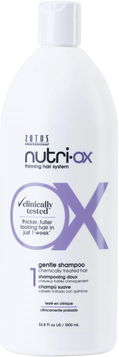
Nutri Ox Gentle Shampoo Chemically Treated Hair 33.8 ozTHICKER, FULLER-LOOKING HAIR IN JUST ONE WEEK* Nutri-Ox® Gentle Shampoo, for chemically & color-treated hair, removes excess folicle-clogging sebum to help maintain the optimal scalp environment for healthy-looking hair. Scalp feels refreshed & hair...29,99 $*Shipping: 0,00 $Secure redirect to the provider
-
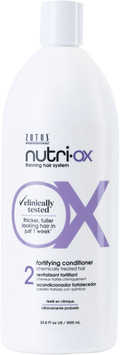
Nutri Ox Fortifying Conditioner Chemically-Treated Hair 33.8 ozTHICKER, FULLER-LOOKING HAIR IN JUST ONE WEEK* Nutri-Ox® Fortifying Conditioner, for colored or chemically-treated hair, conditions from root to tip to help maintain the optimal scalp environment for healthy-looking hair that doesn't feel weighed...29,99 $*Shipping: 0,00 $Secure redirect to the provider
-
Nutri Ox Thinning Hair System 30-Day Starter Kit for Colored/Chemically-Treated HairTHICKER, FULLER-LOOKING HAIR IN JUST ONE WEEK* The Nutri-Ox® 3-Step System of Gentle Shampoo, Fortifying Conditioner and Densifying Tonic, formulated for fragile, color-treated, highlighted or permed hair, helps maintain the optimum scalp...30,49 $*Shipping: 0,00 $Secure redirect to the provider
-
GP Batteries GP Special Offer Pack of 12xAA + 12xAAA BatteriesA new special offer pack from GP Batteries includes 12 AA batteries and 12 AAA batteries. The batteries are GP Super alkaline batteries so ideal for a wide range of household and office devices. For a limited period these packs also include a battery operated handheld mini fan. If you are a wholesalers or trader why check out the volume discount prices. A great special offer pack offering customers extra value. The GP special offer battery packs are packed in a CDU containing 8 promo packs and 24 packs per outer carton.    Â7,95 £*Shipping: 2,95 £Secure redirect to the provider
-
Do tomatoes taste chemically?
Tomatoes do not taste chemically. The taste of tomatoes is a result of the natural compounds present in the fruit, such as sugars, acids, and volatile compounds. These compounds contribute to the sweet, tangy, and savory flavor of tomatoes. While tomatoes may be treated with chemicals during cultivation, the taste of the fruit itself is not chemically derived. **
-
How does tartar form chemically?
Tartar, also known as dental calculus, forms chemically through a process called mineralization. This occurs when plaque, a sticky film of bacteria and food particles, is not removed from the teeth and hardens into tartar. The minerals in saliva, such as calcium and phosphate, combine with the bacteria and food particles in the plaque to form a hard, yellowish deposit on the teeth. Once tartar has formed, it can only be removed by a dental professional using specialized tools. **
-
Is it always chemically treated?
No, not all wool is chemically treated. Some wool is processed using environmentally friendly methods that do not involve chemical treatments. However, some wool may undergo chemical treatments to achieve certain properties such as softness, colorfastness, or resistance to shrinking. It is important to check the label or inquire with the manufacturer to determine if the wool has been chemically treated. **
-
Why does glass shatter chemically?
Glass shatters chemically because of the way its molecular structure responds to stress. Glass is an amorphous solid, meaning its molecules are not arranged in a regular pattern like in a crystalline solid. When stress is applied to glass, the disordered molecular structure makes it more susceptible to breaking. Additionally, the presence of microscopic flaws or impurities in the glass can also contribute to its tendency to shatter when subjected to force. **
Similar search terms for Chemically
-
rsvp Promo Butter Warmer (Set Of 2) - 1/3-Cup CapacityWe strive to offer quality kitchen products and cooking tools at competitive prices. When all the right people, ingredients, kitchen tools, and food come together, we call this The Art of Gathering.24,95 $*Shipping: 0,00 $Secure redirect to the provider
-
Scholastic Bargain Book Box Grades K-1 (100 Books)A box of books at the best price! Take advantage of inventory conditions that leave some of our books without a permanent home. The list of titles in this collection will change depending on availability. A super way to save money and send every...235,00 $*Shipping: 0,00 $Secure redirect to the provider
-
NordicTrack RW900 Rower NordicTrack RW900 iFIT Membership OfferSERIOUS ROWING. SERIOUSLY QUIET. Rowing works your whole body in one go - legs, core, arms, shoulders, and back, all in a single smooth movement. The gliding motion is easy on the knees, ankles, and hips. 26 resistance levels give you plenty to play with - easy recovery rows through to hard...1948,00 £*Shipping: 0,00 £Secure redirect to the provider
-
Where can substances be chemically analyzed?
Substances can be chemically analyzed in a variety of settings, including laboratories, research facilities, and industrial plants. These facilities are equipped with specialized instruments and equipment, such as spectrometers, chromatographs, and mass spectrometers, that can be used to identify and quantify the chemical composition of a substance. Additionally, some portable devices are available for on-site chemical analysis in fields such as environmental monitoring, food safety, and forensic investigations. **
-
Why does the ground smell chemically?
The chemical smell in the ground can be due to various factors such as the presence of natural gases like methane or sulfur compounds, industrial pollution, or the release of volatile organic compounds from decomposing organic matter. Additionally, certain types of soil and rocks can emit odors due to the presence of minerals and compounds. It is important to identify the source of the chemical smell to determine if it poses any health or environmental risks. **
-
What does energy look like chemically?
Chemically, energy can be stored in the form of chemical bonds within molecules. When these bonds are broken, energy is released, and when new bonds are formed, energy is absorbed. This can be seen in processes such as photosynthesis, where energy from sunlight is used to convert carbon dioxide and water into glucose, storing the energy in the chemical bonds of the glucose molecule. Overall, energy in chemical form is represented by the potential for molecules to undergo reactions and release or absorb energy in the process. **
-
Why can't polyester be dyed chemically?
Polyester is a synthetic fiber made from petroleum-based products, which makes it difficult for dyes to chemically bond with the fibers. Unlike natural fibers such as cotton or wool, polyester does not have the same chemical structure that allows for easy dye absorption. Additionally, the smooth surface of polyester fibers repels water-based dyes, making it challenging for the dye to penetrate and adhere to the fibers. As a result, polyester is typically dyed using a process called disperse dyeing, where the dye is dispersed in a hot water bath and forced into the fibers under high pressure and temperature. **
* All prices are inclusive of VAT and, if applicable, plus shipping costs. The offer information is based on the details provided by the respective shop and is updated through automated processes. Real-time updates do not occur, so deviations can occur in individual cases. ** Note: Parts of this content were created by AI.