Buy special-promotion.eu ?
We are moving the project
special-promotion.eu .
Are you interested in purchasing the domain
special-promotion.eu ?
domain@kv-gmbh.de · 0541-91531010
Buy special-promotion.eu ?
What is the sine rule and what is its special property?
The sine rule, also known as the law of sines, is a trigonometric rule that relates the sides of a triangle to the sines of its angles. It states that in any triangle, the ratio of the length of a side to the sine of its opposite angle is constant. This can be expressed as: a/sin(A) = b/sin(B) = c/sin(C), where a, b, and c are the lengths of the sides, and A, B, and C are the measures of the angles. The special property of the sine rule is that it can be used to solve for unknown sides and angles in a triangle, making it a useful tool in trigonometry and geometry. **
How can one calculate the sine without using the sine function?
One way to calculate the sine without using the sine function is to use the Taylor series expansion of the sine function. The Taylor series for sine is: sin(x) = x - (x^3/3!) + (x^5/5!) - (x^7/7!) + ... By using this series, one can approximate the value of sine for a given angle by plugging in the angle into the series and summing up the terms to a desired level of precision. Another method is to use the unit circle and the properties of right-angled triangles to calculate the sine of an angle. By using the opposite and hypotenuse sides of a right-angled triangle, one can calculate the sine of the angle as the ratio of the opposite side to the hypotenuse. **


Similar search terms for Sine
Top-Angebote
Products related to Sine:
-
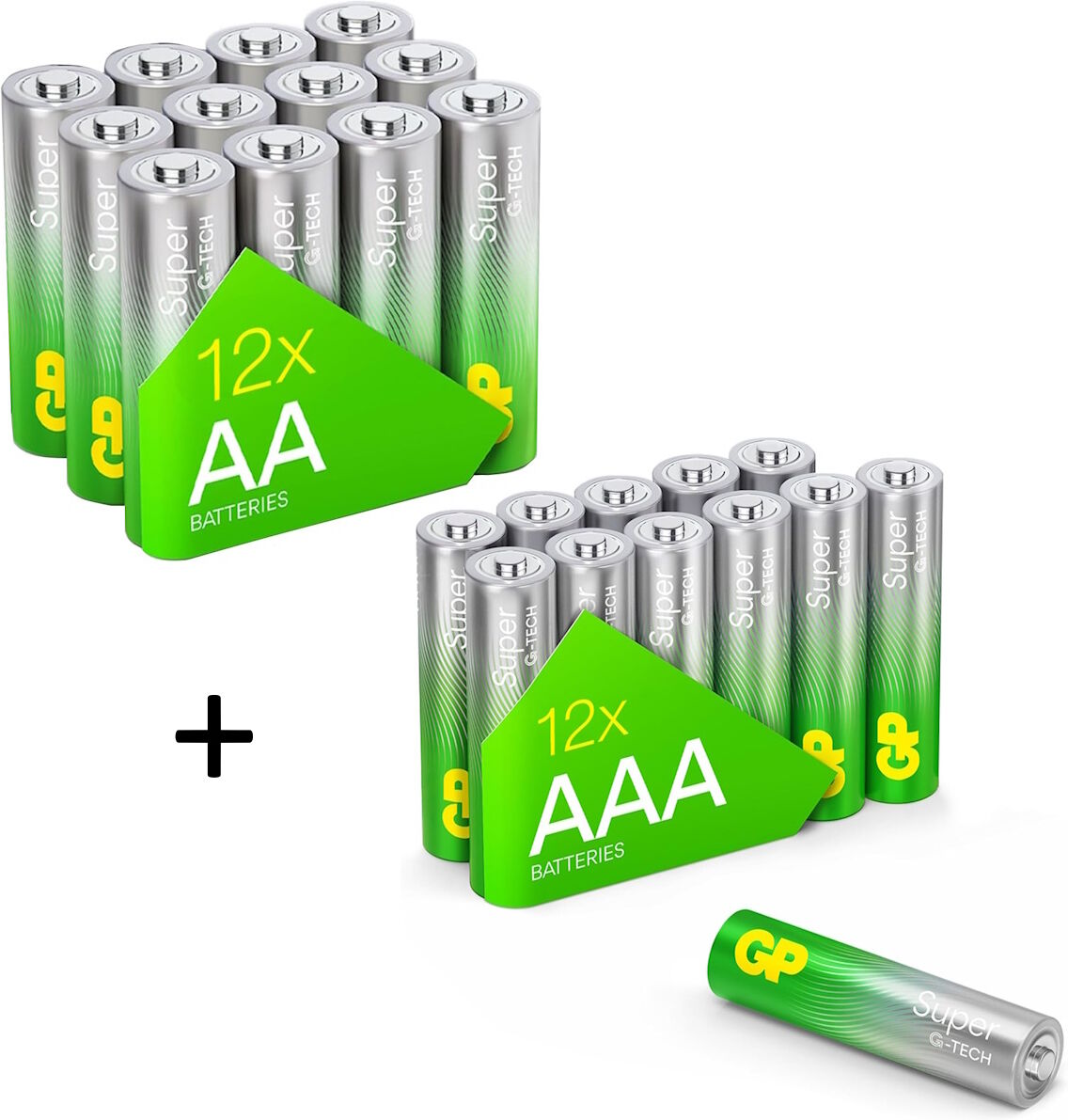
GP Batteries GP Special Offer Pack of 12xAA + 12xAAA BatteriesA new special offer pack from GP Batteries includes 12 AA batteries and 12 AAA batteries. The batteries are GP Super alkaline batteries so ideal for a wide range of household and office devices. For a limited period these packs also include a battery operated handheld mini fan. If you are a wholesalers or trader why check out the volume discount prices. A great special offer pack offering customers extra value. The GP special offer battery packs are packed in a CDU containing 8 promo packs and 24 packs per outer carton.    Â7,95 £*Shipping: 2,95 £Secure redirect to the provider
-
rsvp Promo Butter Warmer (Set Of 2) - 1/3-Cup CapacityWe strive to offer quality kitchen products and cooking tools at competitive prices. When all the right people, ingredients, kitchen tools, and food come together, we call this The Art of Gathering.24,95 $*Shipping: 0,00 $Secure redirect to the provider
-
Scholastic Bargain Book Box Grades K-1 (100 Books)A box of books at the best price! Take advantage of inventory conditions that leave some of our books without a permanent home. The list of titles in this collection will change depending on availability. A super way to save money and send every...235,00 $*Shipping: 0,00 $Secure redirect to the provider



-
What are sine functions?
Sine functions are a type of trigonometric function that represent the ratio of the length of the side opposite a given angle in a right triangle to the length of the hypotenuse. In a sine function, the value of the function at a specific angle is equal to the y-coordinate of a point on the unit circle corresponding to that angle. Sine functions have a periodic nature, with a period of 2π, and are commonly used in mathematics and physics to model periodic phenomena such as sound waves and oscillations. **
-
Is the sine of alpha the same as the sine of gamma?
No, the sine of alpha is not necessarily the same as the sine of gamma. The sine function is based on the ratio of the length of the side opposite an angle to the length of the hypotenuse in a right triangle. Since alpha and gamma are different angles, they will have different ratios and therefore different sine values. **
-
How do you determine the sine of alpha and the sine of beta?
The sine of an angle in a right-angled triangle is determined by dividing the length of the side opposite the angle by the length of the hypotenuse. So, to find the sine of alpha, you would divide the length of the side opposite alpha by the length of the hypotenuse. Similarly, to find the sine of beta, you would divide the length of the side opposite beta by the length of the hypotenuse. This can be represented by the formula: sin(alpha) = opposite/hypotenuse and sin(beta) = opposite/hypotenuse. **
-
Why can the sine in the sine rule not be greater than 1?
The sine in the sine rule cannot be greater than 1 because the sine function has a maximum value of 1. The sine of an angle is defined as the ratio of the length of the opposite side to the length of the hypotenuse in a right-angled triangle. Since the length of the opposite side cannot be greater than the length of the hypotenuse, the sine of an angle cannot be greater than 1. This is a fundamental property of the sine function and is a result of the geometry of right-angled triangles. **

How do you calculate the sine value of x in a sine function?
To calculate the sine value of x in a sine function, you can use a scientific calculator or mathematical software. Simply input the value of x into the sine function, denoted as sin(x), and the calculator or software will provide you with the corresponding sine value. Alternatively, you can use trigonometric identities or the unit circle to find the sine value of x manually. **
What is a sine function?
A sine function is a mathematical function that describes a smooth, repetitive oscillation. It is defined as the ratio of the length of the side opposite an angle in a right-angled triangle to the length of the hypotenuse. The graph of a sine function is a wave-like curve that oscillates between -1 and 1 as the input angle changes. Sine functions are widely used in physics, engineering, and many other fields to model periodic phenomena such as sound waves, light waves, and mechanical vibrations. **
Top-Angebote
Products related to Sine:
-
GP Batteries GP Special Offer Pack of 12xAA + 12xAAA BatteriesA new special offer pack from GP Batteries includes 12 AA batteries and 12 AAA batteries. The batteries are GP Super alkaline batteries so ideal for a wide range of household and office devices. For a limited period these packs also include a battery operated handheld mini fan. If you are a wholesalers or trader why check out the volume discount prices. A great special offer pack offering customers extra value. The GP special offer battery packs are packed in a CDU containing 8 promo packs and 24 packs per outer carton.    Â7,95 £*Shipping: 2,95 £Secure redirect to the provider
-
What is the sine rule and what is its special property?
The sine rule, also known as the law of sines, is a trigonometric rule that relates the sides of a triangle to the sines of its angles. It states that in any triangle, the ratio of the length of a side to the sine of its opposite angle is constant. This can be expressed as: a/sin(A) = b/sin(B) = c/sin(C), where a, b, and c are the lengths of the sides, and A, B, and C are the measures of the angles. The special property of the sine rule is that it can be used to solve for unknown sides and angles in a triangle, making it a useful tool in trigonometry and geometry. **
-
How can one calculate the sine without using the sine function?
One way to calculate the sine without using the sine function is to use the Taylor series expansion of the sine function. The Taylor series for sine is: sin(x) = x - (x^3/3!) + (x^5/5!) - (x^7/7!) + ... By using this series, one can approximate the value of sine for a given angle by plugging in the angle into the series and summing up the terms to a desired level of precision. Another method is to use the unit circle and the properties of right-angled triangles to calculate the sine of an angle. By using the opposite and hypotenuse sides of a right-angled triangle, one can calculate the sine of the angle as the ratio of the opposite side to the hypotenuse. **
-
What are sine functions?
Sine functions are a type of trigonometric function that represent the ratio of the length of the side opposite a given angle in a right triangle to the length of the hypotenuse. In a sine function, the value of the function at a specific angle is equal to the y-coordinate of a point on the unit circle corresponding to that angle. Sine functions have a periodic nature, with a period of 2π, and are commonly used in mathematics and physics to model periodic phenomena such as sound waves and oscillations. **
-
Is the sine of alpha the same as the sine of gamma?
No, the sine of alpha is not necessarily the same as the sine of gamma. The sine function is based on the ratio of the length of the side opposite an angle to the length of the hypotenuse in a right triangle. Since alpha and gamma are different angles, they will have different ratios and therefore different sine values. **
Similar search terms for Sine
-
rsvp Promo Butter Warmer (Set Of 2) - 1/3-Cup CapacityWe strive to offer quality kitchen products and cooking tools at competitive prices. When all the right people, ingredients, kitchen tools, and food come together, we call this The Art of Gathering.24,95 $*Shipping: 0,00 $Secure redirect to the provider
-
Scholastic Bargain Book Box Grades K-1 (100 Books)A box of books at the best price! Take advantage of inventory conditions that leave some of our books without a permanent home. The list of titles in this collection will change depending on availability. A super way to save money and send every...235,00 $*Shipping: 0,00 $Secure redirect to the provider
-
NordicTrack RW900 Rower NordicTrack RW900 iFIT Membership OfferSERIOUS ROWING. SERIOUSLY QUIET. Rowing works your whole body in one go - legs, core, arms, shoulders, and back, all in a single smooth movement. The gliding motion is easy on the knees, ankles, and hips. 26 resistance levels give you plenty to play with - easy recovery rows through to hard...1948,00 £*Shipping: 0,00 £Secure redirect to the provider
-
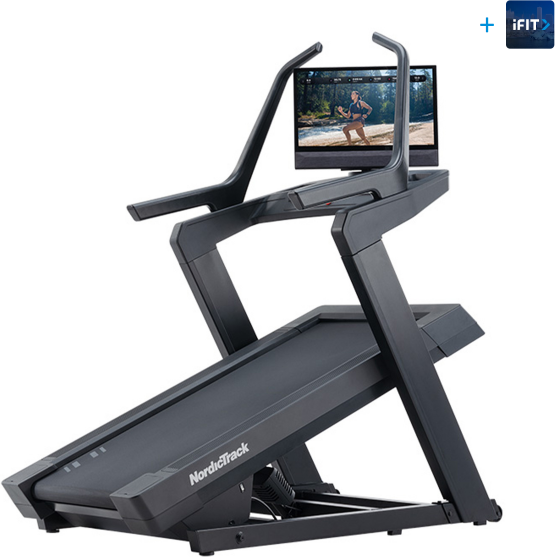
NordicTrack X24 Treadmill NordicTrack X24 Treadmill Membership OfferBIG SCREEN. BIG CLIMBS. The NordicTrack X24 Treadmill is built for those who want more from their home workouts—more challenge, more variety, and more support. With a powerful 4.25 CHP motor, it operates smoothly and quietly, handling speeds up to 20km/h whether you’re warming up with a walk or...4148,00 £*Shipping: 0,00 £Secure redirect to the provider
-
How do you determine the sine of alpha and the sine of beta?
The sine of an angle in a right-angled triangle is determined by dividing the length of the side opposite the angle by the length of the hypotenuse. So, to find the sine of alpha, you would divide the length of the side opposite alpha by the length of the hypotenuse. Similarly, to find the sine of beta, you would divide the length of the side opposite beta by the length of the hypotenuse. This can be represented by the formula: sin(alpha) = opposite/hypotenuse and sin(beta) = opposite/hypotenuse. **
-
Why can the sine in the sine rule not be greater than 1?
The sine in the sine rule cannot be greater than 1 because the sine function has a maximum value of 1. The sine of an angle is defined as the ratio of the length of the opposite side to the length of the hypotenuse in a right-angled triangle. Since the length of the opposite side cannot be greater than the length of the hypotenuse, the sine of an angle cannot be greater than 1. This is a fundamental property of the sine function and is a result of the geometry of right-angled triangles. **
-
How do you calculate the sine value of x in a sine function?
To calculate the sine value of x in a sine function, you can use a scientific calculator or mathematical software. Simply input the value of x into the sine function, denoted as sin(x), and the calculator or software will provide you with the corresponding sine value. Alternatively, you can use trigonometric identities or the unit circle to find the sine value of x manually. **
-
What is a sine function?
A sine function is a mathematical function that describes a smooth, repetitive oscillation. It is defined as the ratio of the length of the side opposite an angle in a right-angled triangle to the length of the hypotenuse. The graph of a sine function is a wave-like curve that oscillates between -1 and 1 as the input angle changes. Sine functions are widely used in physics, engineering, and many other fields to model periodic phenomena such as sound waves, light waves, and mechanical vibrations. **
* All prices are inclusive of VAT and, if applicable, plus shipping costs. The offer information is based on the details provided by the respective shop and is updated through automated processes. Real-time updates do not occur, so deviations can occur in individual cases. ** Note: Parts of this content were created by AI.