Buy special-promotion.eu ?
We are moving the project
special-promotion.eu .
Are you interested in purchasing the domain
special-promotion.eu ?
domain@kv-gmbh.de · 0541-91531010
Buy special-promotion.eu ?
How concerning are these thermoplastics physiologically?
Thermoplastics are generally considered to be safe for physiological use, as they are non-toxic and do not leach harmful chemicals into the body. However, some individuals may have allergies or sensitivities to certain types of thermoplastics, so it is important to consider individual reactions. Additionally, prolonged exposure to high temperatures or direct contact with hot thermoplastics can cause skin irritation or burns. Overall, while thermoplastics are generally safe for physiological use, it is important to use them in accordance with safety guidelines and to be aware of individual sensitivities. **
Can I melt thermoplastics in the oven?
It is not recommended to melt thermoplastics in a regular household oven as they can release toxic fumes when heated to high temperatures. It is best to use specialized equipment designed for melting thermoplastics, such as a heat gun or a dedicated plastic melting machine. Additionally, melting thermoplastics in an oven can also pose a fire hazard due to the high temperatures involved. **

Similar search terms for Thermoplastics
Top-Angebote
Products related to Thermoplastics:
-
Scholastic Bargain Book Box Grades 4-6 (100 Books)A box of books at the best price! Take advantage of inventory conditions that leave some of our books without a permanent home. The list of titles in this collection will change depending on availability. A super way to save money and send every...235,00 $*Shipping: 0,00 $Secure redirect to the provider
-
rsvp Promo Butter Warmer (Set Of 2) - 1/3-Cup CapacityWe strive to offer quality kitchen products and cooking tools at competitive prices. When all the right people, ingredients, kitchen tools, and food come together, we call this The Art of Gathering.24,95 $*Shipping: 0,00 $Secure redirect to the provider
-
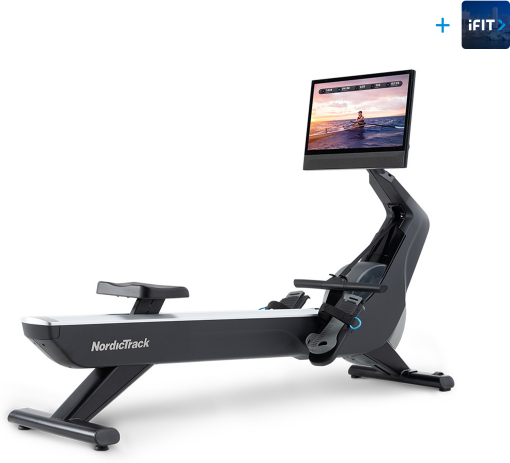
NordicTrack RW900 Rower NordicTrack RW900 iFIT Membership OfferSERIOUS ROWING. SERIOUSLY QUIET. Rowing works your whole body in one go - legs, core, arms, shoulders, and back, all in a single smooth movement. The gliding motion is easy on the knees, ankles, and hips. 26 resistance levels give you plenty to play with - easy recovery rows through to hard...1948,00 £*Shipping: 0,00 £Secure redirect to the provider
-
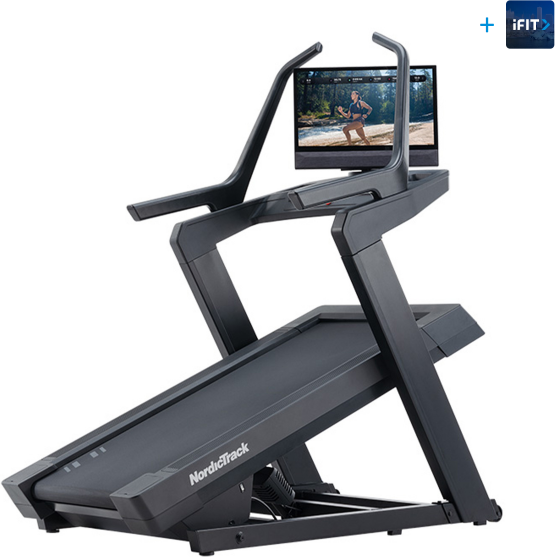
NordicTrack X24 Treadmill NordicTrack X24 Treadmill Membership OfferBIG SCREEN. BIG CLIMBS. The NordicTrack X24 Treadmill is built for those who want more from their home workouts—more challenge, more variety, and more support. With a powerful 4.25 CHP motor, it operates smoothly and quietly, handling speeds up to 20km/h whether you’re warming up with a walk or...4148,00 £*Shipping: 0,00 £Secure redirect to the provider


-
What should be considered when filing thermoplastics?
When filing thermoplastics, it is important to consider the type of plastic being used as different plastics have different properties that can affect the filing process. The temperature of the filing tool should also be taken into account as excessive heat can cause the plastic to melt or deform. Additionally, the speed and pressure at which the filing is done should be controlled to prevent damage to the plastic. It is recommended to test the filing process on a small, inconspicuous area first to ensure the desired results are achieved. **
-
Do Lego bricks consist of thermoplastics or duroplastics?
Lego bricks consist of thermoplastics. Thermoplastics are a type of plastic that can be melted and remolded multiple times, making them ideal for the interlocking and reconfigurable nature of Lego bricks. This allows for easy assembly and disassembly of the bricks, as well as the ability to create a wide variety of shapes and designs. Duroplastics, on the other hand, are a type of plastic that cannot be remolded once they have been set, making them less suitable for the dynamic and interactive nature of Lego building. **
-
Are LEGO bricks made of thermoplastics or thermosetting plastics?
LEGO bricks are made of thermoplastics. Thermoplastics are a type of plastic that can be melted and reshaped multiple times through heating and cooling processes. This property allows LEGO bricks to be easily assembled and disassembled, making them versatile and reusable for building various structures. **
-
How are elastomers, thermosets, and thermoplastics produced through reactions?
Elastomers, thermosets, and thermoplastics are produced through different types of reactions. Elastomers are produced through a process called vulcanization, where rubber molecules are cross-linked with sulfur to improve their strength and elasticity. Thermosets are produced through a process called polymerization, where monomers are chemically bonded together to form a three-dimensional network that cannot be melted or reshaped once set. Thermoplastics are produced through a process called polymerization as well, but the resulting polymer chains are linear and can be melted and reshaped multiple times due to their lack of cross-linking. Each of these reactions results in the formation of different types of polymers with distinct properties and applications. **


What is the molecular structure and molecular bonding of thermoplastics?
Thermoplastics are made up of long chains of repeating molecular units called monomers. These chains are held together by covalent bonds, which are strong and stable. The molecular structure of thermoplastics allows them to be melted and reshaped multiple times without undergoing any chemical change. This is because the intermolecular forces between the chains, such as van der Waals forces, are relatively weak, allowing the chains to slide past each other when heated. This property makes thermoplastics highly versatile and widely used in various industries. **
What are plastics? What are the differences between thermoplastics and thermosetting plastics?
Plastics are synthetic materials made from polymers, which are long chains of molecules. They are lightweight, durable, and can be molded into various shapes, making them ideal for a wide range of applications. The main difference between thermoplastics and thermosetting plastics lies in their response to heat. Thermoplastics can be melted and reshaped multiple times without undergoing any chemical change, while thermosetting plastics undergo a chemical reaction when heated and cannot be reshaped once they have been set. This means that thermoplastics are recyclable, while thermosetting plastics are not. **
Top-Angebote
Products related to Thermoplastics:
-
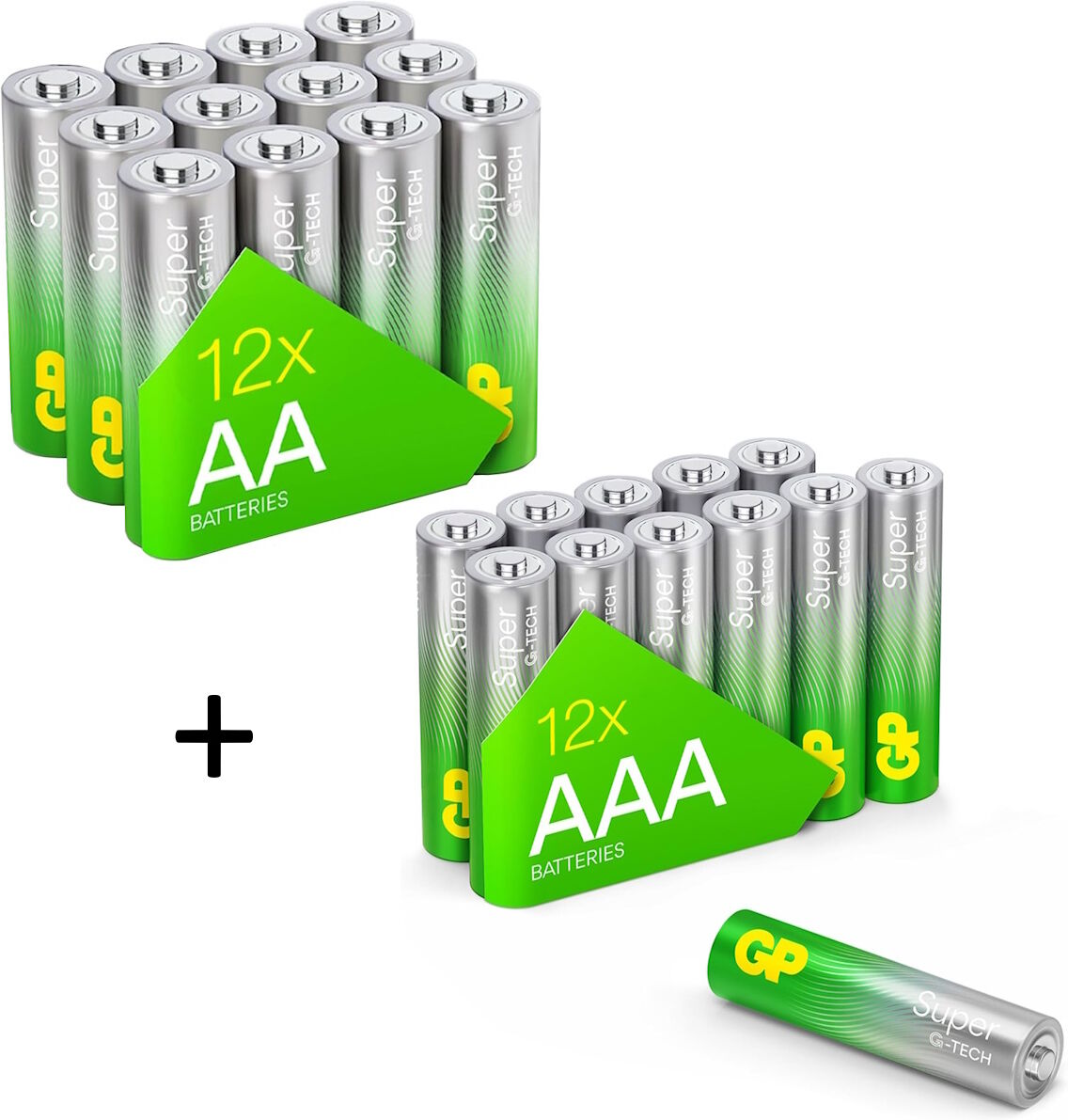
GP Batteries GP Special Offer Pack of 12xAA + 12xAAA BatteriesA new special offer pack from GP Batteries includes 12 AA batteries and 12 AAA batteries. The batteries are GP Super alkaline batteries so ideal for a wide range of household and office devices. For a limited period these packs also include a battery operated handheld mini fan. If you are a wholesalers or trader why check out the volume discount prices. A great special offer pack offering customers extra value. The GP special offer battery packs are packed in a CDU containing 8 promo packs and 24 packs per outer carton.    Â7,95 £*Shipping: 2,95 £Secure redirect to the provider
-
Scholastic Bargain Book Box Grades 4-6 (100 Books)A box of books at the best price! Take advantage of inventory conditions that leave some of our books without a permanent home. The list of titles in this collection will change depending on availability. A super way to save money and send every...235,00 $*Shipping: 0,00 $Secure redirect to the provider
-
rsvp Promo Butter Warmer (Set Of 2) - 1/3-Cup CapacityWe strive to offer quality kitchen products and cooking tools at competitive prices. When all the right people, ingredients, kitchen tools, and food come together, we call this The Art of Gathering.24,95 $*Shipping: 0,00 $Secure redirect to the provider
-
How concerning are these thermoplastics physiologically?
Thermoplastics are generally considered to be safe for physiological use, as they are non-toxic and do not leach harmful chemicals into the body. However, some individuals may have allergies or sensitivities to certain types of thermoplastics, so it is important to consider individual reactions. Additionally, prolonged exposure to high temperatures or direct contact with hot thermoplastics can cause skin irritation or burns. Overall, while thermoplastics are generally safe for physiological use, it is important to use them in accordance with safety guidelines and to be aware of individual sensitivities. **
-
Can I melt thermoplastics in the oven?
It is not recommended to melt thermoplastics in a regular household oven as they can release toxic fumes when heated to high temperatures. It is best to use specialized equipment designed for melting thermoplastics, such as a heat gun or a dedicated plastic melting machine. Additionally, melting thermoplastics in an oven can also pose a fire hazard due to the high temperatures involved. **
-
What should be considered when filing thermoplastics?
When filing thermoplastics, it is important to consider the type of plastic being used as different plastics have different properties that can affect the filing process. The temperature of the filing tool should also be taken into account as excessive heat can cause the plastic to melt or deform. Additionally, the speed and pressure at which the filing is done should be controlled to prevent damage to the plastic. It is recommended to test the filing process on a small, inconspicuous area first to ensure the desired results are achieved. **
-
Do Lego bricks consist of thermoplastics or duroplastics?
Lego bricks consist of thermoplastics. Thermoplastics are a type of plastic that can be melted and remolded multiple times, making them ideal for the interlocking and reconfigurable nature of Lego bricks. This allows for easy assembly and disassembly of the bricks, as well as the ability to create a wide variety of shapes and designs. Duroplastics, on the other hand, are a type of plastic that cannot be remolded once they have been set, making them less suitable for the dynamic and interactive nature of Lego building. **
Similar search terms for Thermoplastics
-
NordicTrack RW900 Rower NordicTrack RW900 iFIT Membership OfferSERIOUS ROWING. SERIOUSLY QUIET. Rowing works your whole body in one go - legs, core, arms, shoulders, and back, all in a single smooth movement. The gliding motion is easy on the knees, ankles, and hips. 26 resistance levels give you plenty to play with - easy recovery rows through to hard...1948,00 £*Shipping: 0,00 £Secure redirect to the provider
-
NordicTrack X24 Treadmill NordicTrack X24 Treadmill Membership OfferBIG SCREEN. BIG CLIMBS. The NordicTrack X24 Treadmill is built for those who want more from their home workouts—more challenge, more variety, and more support. With a powerful 4.25 CHP motor, it operates smoothly and quietly, handling speeds up to 20km/h whether you’re warming up with a walk or...4148,00 £*Shipping: 0,00 £Secure redirect to the provider
-
Discount Dollar Deals Special Small Blind Cat Nail Clippers Safe Gentle Pet Nail Care blueGroom your furry friend with ease using these specially designed Small Blind Cat Nail Clippers. Perfect for cats with limited vision, these clippers ensure a stressfree nail trimming experience for both you and your pet. Featuring sharp, precise...29,97 $*Shipping: 0,00 $Secure redirect to the provider
-
Are LEGO bricks made of thermoplastics or thermosetting plastics?
LEGO bricks are made of thermoplastics. Thermoplastics are a type of plastic that can be melted and reshaped multiple times through heating and cooling processes. This property allows LEGO bricks to be easily assembled and disassembled, making them versatile and reusable for building various structures. **
-
How are elastomers, thermosets, and thermoplastics produced through reactions?
Elastomers, thermosets, and thermoplastics are produced through different types of reactions. Elastomers are produced through a process called vulcanization, where rubber molecules are cross-linked with sulfur to improve their strength and elasticity. Thermosets are produced through a process called polymerization, where monomers are chemically bonded together to form a three-dimensional network that cannot be melted or reshaped once set. Thermoplastics are produced through a process called polymerization as well, but the resulting polymer chains are linear and can be melted and reshaped multiple times due to their lack of cross-linking. Each of these reactions results in the formation of different types of polymers with distinct properties and applications. **
-
What is the molecular structure and molecular bonding of thermoplastics?
Thermoplastics are made up of long chains of repeating molecular units called monomers. These chains are held together by covalent bonds, which are strong and stable. The molecular structure of thermoplastics allows them to be melted and reshaped multiple times without undergoing any chemical change. This is because the intermolecular forces between the chains, such as van der Waals forces, are relatively weak, allowing the chains to slide past each other when heated. This property makes thermoplastics highly versatile and widely used in various industries. **
-
What are plastics? What are the differences between thermoplastics and thermosetting plastics?
Plastics are synthetic materials made from polymers, which are long chains of molecules. They are lightweight, durable, and can be molded into various shapes, making them ideal for a wide range of applications. The main difference between thermoplastics and thermosetting plastics lies in their response to heat. Thermoplastics can be melted and reshaped multiple times without undergoing any chemical change, while thermosetting plastics undergo a chemical reaction when heated and cannot be reshaped once they have been set. This means that thermoplastics are recyclable, while thermosetting plastics are not. **
* All prices are inclusive of VAT and, if applicable, plus shipping costs. The offer information is based on the details provided by the respective shop and is updated through automated processes. Real-time updates do not occur, so deviations can occur in individual cases. ** Note: Parts of this content were created by AI.